
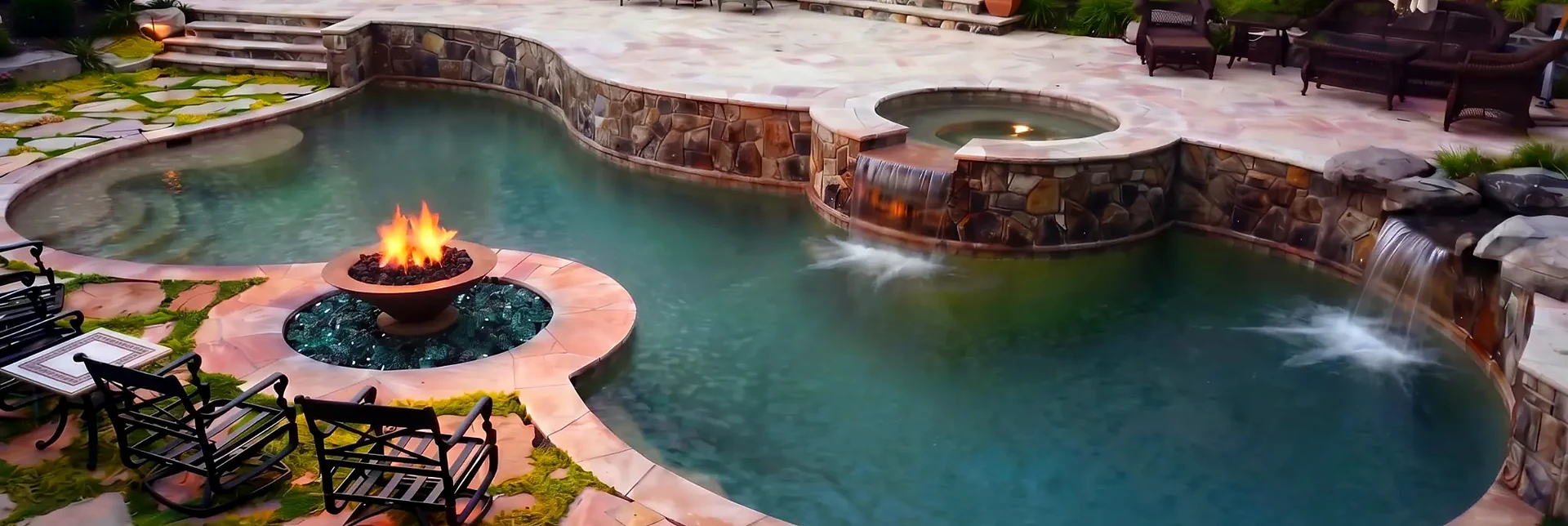
Groundwater in a pool excavation changes a routine construction sequence into a complex geotechnical problem. When crews cut into the earth to form a gunite pool shell and water begins to appear in the pit, the project moves off of standard excavation and into site-specific stabilization, drainage, and waterproofing decisions. The immediate concern is safety—worker safety, inspection access, and excavation stability—but beneath those are structural, schedule, and budget implications that can alter the entire project.
This article explains why groundwater shows up, how to recognize early warning signs before and during excavation, how to differentiate preventable from unavoidable risks, and the practical approaches used by experienced custom pool builders in southeastern Pennsylvania and western New Jersey. It also covers diagnostic steps, remedial options (including dewatering, drainage design, and structural changes), cost expectations, permit and code considerations relevant to local jurisdictions, and when it makes sense to call a geotechnical or structural specialist.
- Groundwater can infiltrate a pool excavation via perched water, seasonal high water, springs, or rising aquifers; each source requires different remedies.
- Warning signs include damp test pits, high water levels in nearby basements or swales, spring-fed seeps, and saturated soils after rain or snowmelt—assess before major excavation.
- Common remedies: sump pumps/dewatering, perimeter drains, grout curtain or well-point systems, and redesigned pools (e.g., raised or structural changes) when dewatering is impractical.
- Pennsylvania and New Jersey projects must consider freeze-thaw cycles, clay vs. rock behavior, township drainage requirements, and seasonal permit windows; costs vary widely by method and site risk.
- Call a licensed geotechnical engineer or a qualified groundwater contractor when uncontrolled uplift, artesian conditions, or adjacent structure risk exists; contractor experience with local soils is critical.
For broader planning guidance, explore our Pool Construction resource center.
1. The Problem: Why Groundwater in an Excavation Matters
Groundwater in a pool excavation creates multiple simultaneous problems. At a minimum, it slows or halts work until the pit is dry enough for safe access and for concrete or gunite application. At worst, it can destabilize the excavation walls, damage equipment, cause buoyant uplift of newly placed concrete or forms, and—if not handled correctly—lead to long-term problems such as liner loss, cracking, or hydrostatic pressure damage to the finished shell.
For gunite pools, which rely on a monolithic concrete shell shot over reinforcement, the stakes are higher than for vinyl or fiberglass installations. Gunite placement requires a stable subgrade and predictable moisture conditions. Saturated soils can reduce bond strength, cause washout of fines, and create voids beneath the shell. Moreover, if groundwater remains uncontrolled after completion, it subjects the shell to outward or upward hydrostatic forces that can exceed design assumptions and lead to failure or costly remediation.
2. Common Causes of Groundwater in Pool Excavations
Understanding the source of water is essential for choosing the correct mitigation. Groundwater is not a single phenomenon; it varies by origin, seasonality, and local geology.
2.1 Seasonal groundwater and perched water tables
Seasonal cycles—especially spring thaws and heavy autumn rains—raise near-surface water tables. In Pennsylvania and western New Jersey, seasonal melt and prolonged precipitation can create perched water zones above a less permeable layer (such as clay). Excavating into that perched layer releases the water into the pit, sometimes suddenly.
2.2 Artesian conditions and springs
Artesian conditions occur when a confined aquifer is under pressure. If a pool excavation penetrates an aquitard into that confined zone, water may flow under pressure into the pit. Similarly, natural springs or seepage from hillside conditions can feed continuous inflow. These are more likely where bedrock, fractures, or karst limestone are present and where the terrain directs subsurface flow toward the excavation.
2.3 High regional water table and perched urban hydrology
Properties near wetlands, streams, or historic fill can have consistently high water tables. Urban variations—improved drainage, sewer lines, and impermeable surfaces—can alter groundwater paths. In developed areas of southeastern Pennsylvania and western New Jersey, stormwater runoff and changes to nearby properties may raise groundwater or divert flow toward a yard.
2.4 Soil type interactions: clay, sand, silt, and bedrock
Soils dominate how water behaves. Coarse, sandy soils transmit water rapidly and may cause fast inflow; fine-grained clays hold water and can create long-lasting saturated zones that compromise bearing capacity. Shallow bedrock can create perched pockets of soil retaining water, and fractures in rock or limestone solution channels may provide unexpected water pathways.
3. Warning Signs Before and During Excavation
Skilled contractors look for telltale signs during preconstruction evaluation and early excavation to anticipate groundwater problems. Early detection reduces cost and schedule disruption.
3.1 Preconstruction indicators
During site visits, note visible springs, wetland or swamp vegetation, standing water in low spots, or persistent dampness in shallow test pits. Bathroom or basement dampness in neighboring homes, high moisture readings from test borings, and municipal or county maps showing high water tables or wetlands are important indicators. Historic records—deep puddling after storms, unresolved surface drainage issues, or previous foundation problems—should raise a red flag.
3.2 Indicators during excavation
When digging begins, look for immediate seepage from the walls, rapidly rising puddles on the bottom, or zones where material becomes soupy or mucky. Persistent inflow that outpaces pumps indicates a pressure-driven source or high transmissivity soils. Unexpected voids or flowing fines may indicate piping or karst features and call for immediate reassessment.
3.3 Seasonal timing as an indicator
Excavations performed in late winter or early spring are more likely to encounter elevated groundwater from snowmelt and saturated soils. Conversely, mid-to-late summer may offer lower groundwater conditions but is not foolproof, especially after heavy storms or in areas with shallow aquifers.
4. Differentiating Preventable from Unavoidable Risks
Some groundwater problems can be reduced or eliminated by project planning, while others are inherent to the site. Distinguishing between them helps set realistic expectations and budgets.
4.1 Preventable or mitigable risks
Risks that contractors can foresee and mitigate include poor surface drainage, blocked or inadequate grade away from the pool, and shallow perched water from downspouts or sump discharges onto the yard. Addressing these through regrading, installing surface drains, relocating roof leaders, or installing temporary dewatering during construction can often prevent major inflow. Seasonal scheduling—avoiding excavation in the wettest months—can also mitigate risk.
4.2 Inherent or less controllable risks
Inherently risky conditions include artesian pressures, karst bedrock with solution channels, and a shallow high water table across an entire parcel. These conditions may require permanent structural approaches—well-point dewatering during construction, sub-slab drains, or design changes like building a raised pool structure. Those solutions increase cost and can alter aesthetics or access.
5. Diagnostic Steps and Testing Protocols
A methodical diagnosis narrows down the correct remediation. Quick fixes that ignore root causes often lead to recurring issues or damage later.
5.1 Test pits and soil borings
Test pits and borings provide data on soil layers, permeability, depth to bedrock, and depth to the seasonal water table. For custom gunite pools, contractors commonly coordinate with a geotechnical engineer who specifies the depth and number of borings. These tests are particularly important where soils are heterogeneous or when historic grading leaves variable fill depths.
5.2 Permeability and infiltration testing
Permeability tests (e.g., falling head or constant head) determine how quickly water will flow through the encountered strata. High permeability suggests rapid inflow requiring continuous dewatering, while low permeability may indicate perched water that can be managed with temporary measures. In karst areas, dye tracing or more advanced hydrogeologic testing may be necessary to understand flow paths.
5.3 Geotechnical and hydrogeologic consultation
When initial findings indicate persistent or pressure-driven groundwater, retaining a geotechnical or groundwater specialist is warranted. These experts recommend dewatering systems, sub-slab drainage designs, or permanent ground improvement measures based on local geology and site conditions. They also produce reports that municipalities or insurers may require for permits or warranties.
6. Practical Remedies: Dewatering, Drainage, and Design Changes
Remedies range from temporary site work to permanent structural changes. Selecting the right approach depends on source, rate of inflow, soil type, seasonal considerations, and budget.
6.1 Temporary dewatering methods
For many projects, temporary sump pumps and well-point systems are a practical first step. Sumps collect water in the excavation bottom and pumps discharge it away from the site to a storm drain, infiltration area, or trucked-away location as allowed by permit. Well-point systems (a series of shallow wells connected to a header and vacuum pump) lower the water table around the excavation and are effective in sandy soils for moderate flows.
Considerations: temporary dewatering requires continuous power, a responsible discharge location, and monitoring for sediment-laden effluent. Municipal stormwater regulations in Pennsylvania and New Jersey often require discharge permits or erosion and sediment control measures; failure to comply can lead to fines or work stoppage.
6.2 Permanent drainage solutions
If groundwater remains a persistent post-construction issue, permanent drainage is usually preferable. Typical permanent measures include sub-drainage systems around the shell, perimeter French drains tied to a daylight discharge or dedicated sump and pump, and properly designed backfill drainage layers with geotextile filters. In some situations, a collar drain or weeping tile integrated into the pool subgrade protects the shell from hydrostatic uplift.
Design note: permanent systems must consider freeze-thaw in Pennsylvania and New Jersey. Drains should slope to avoid low spots that trap water and be placed below frost lines where practical. Pumps intended to operate year-round should be rated for freeze protection or be located in frost-protected enclosures.
6.3 Structural and design compromises
Where dewatering is impractical or prohibitively expensive, pool design changes are common. Options include building a raised pool (on compacted structural fill or a concrete pedestal), increasing shell thickness and reinforcement to resist hydrostatic forces, or switching to a liner system with a designed subdrainage under the floor. Each option affects aesthetics, construction cost, and long-term maintenance.
6.4 Grouting and cut-off walls
In confined artesian or karst situations, contractors sometimes create cut-off walls or grout curtains to intercept or reduce flow. These approaches are specialized and may involve cement-bentonite slurry walls, soil-cement mixing, or high-pressure grouting of fractures. They typically require a licensed geotechnical contractor and can be costly; they are used where dewatering cannot adequately control inflow or where protecting adjacent structures is necessary.
7. Cost Implications and Budget Planning
Addressing groundwater adds cost and scheduling complexity. Some sites require only modest temporary measures; others require substantial permanent work or redesign. Accurate budgeting depends on early site investigation and realistic contingency allowances.
7.1 Typical cost ranges (with careful language)
Costs vary regionally and by method. For planning purposes only: temporary sump and pumps with sediment controls for a small to medium pool might add a few thousand dollars to the project. Well-point systems and longer-term pumping setups commonly range higher, often several thousand to low five-figure sums depending on duration and complexity. Permanent perimeter drainage or subdrain systems may range in the mid-to-high five figures, and specialized cut-off walls or pressure grouting can be substantially more—potentially tens of thousands—depending on scale and geology.
These figures are illustrative and not guarantees. Exact costs depend on site-access, discharge permissions, pump capacities, permit requirements, and the need for specialists or heavy equipment. Contractors should provide itemized estimates distinguishing temporary construction dewatering from required permanent remediation.
7.2 Insurance, warranties, and long-term liability
Manufacturers, insurers, and local building departments may place conditions on coverage when groundwater is a known risk. Warranties on structural work can be voided if proper drainage or dewatering was not installed. Homeowner insurance rarely covers gradual groundwater migration problems. Therefore, document investigation and remediation work, and retain professional reports when required by municipality or lender.
8. Permit, Code, and Township Considerations in PA & NJ
Local regulations matter. Southeastern Pennsylvania and western New Jersey have a patchwork of townships with distinct requirements related to stormwater discharge, erosion control, and dewatering. Failing to coordinate with authorities can delay work or result in remedial orders.
8.1 Erosion and sediment control
Most townships require a sediment and erosion control plan (often an NPDES construction general permit for larger disturbances). Dewatering discharges with suspended solids typically require treatment (sediment basins, filter bags, or settling tanks) prior to discharge to a storm system or watercourse. Confirming the discharge route and obtaining required permits is part of a responsible construction plan.
8.2 Zoning, setbacks, and neighbor impacts
Moving water off a property can impact neighbors. Township ordinances prohibit causing adverse drainage impacts to adjacent parcels. Basin discharges, pumps or daylights that increase runoff to a neighbor's yard may require mitigation. The contractor should plan discharge routes that respect local ordinances and maintain good neighbor relations.
8.3 Seasonal permit windows and frost considerations
Some jurisdictions are stricter about excavations during freeze-thaw seasons due to higher erosion risk. Additionally, construction done late in the year may expose unfinished drainage to freezing; proper winterization of temporary pumps and drainage measures is essential in Pennsylvania and New Jersey. Many builders schedule major earthwork during drier, warmer months to reduce the risk of groundwater complications.
9. When to Bring in Specialists: Geotechnical and Hydrogeologic Consultants
Certain conditions demand expertise beyond the contractor's in-house capabilities. When that occurs, the expense of a specialist is typically offset by reduced risk, a defensible design, and clearer permitting pathways.
9.1 Red flags requiring specialists
Call a geotechnical or hydrogeologic specialist if the excavation encounters any of the following: artesian flow (water under pressure), continuous high inflow that saturates adjacent structures, karst features or sinkholes, bedrock fractures producing flow, adjacent foundation distress, or unknown fill of variable composition. These situations can pose safety hazards and long-term structural risk if treated with temporary measures only.
9.2 What specialists provide
Geotechnical engineers can perform subsurface investigation, recommend dewatering or cut-off strategies, specify reinforcement and shell thickness for hydrostatic loads, and produce reports required by local building officials. Hydrogeologists model groundwater flow, test aquifer conditions, and design well-point or deep-well dewatering when necessary. Their reports can guide contractors to cost-effective and compliant solutions.
10. Practical Field Measures and SPCP Recommendations
This section provides actionable guidance used by experienced pool builders—presented as our SPCP (Scott Payne Custom Pools) process statements when we describe steps we follow. These are recommendations, not universal mandates; site-specific circumstances drive final decisions.
- SPCP process: We perform initial site reconnaissance with visual inspection, homeowner interviews about seasonal wetness, and at least one test pit or boring before finalizing the contract.
- SPCP process: Where minor seepage is expected, we plan for redundant sump pumps with alarmed power and treated discharge locations and include a contingency allowance in the contract for dewatering duration.
- SPCP process: If test borings suggest high transmissivity or artesian conditions, we engage a geotechnical engineer before continuing excavation and present permanent drainage or design alternatives to the client.
- SPCP process: For properties with known clay zones and freeze-thaw exposure, we specify geotextile-wrapped drains, frost-protected pump installations, and backfill sequencing to minimize long-term frost heave risk.
- SPCP process: During construction we maintain detailed logs of pump run hours, discharge locations, and turbidity control measures to support permit compliance and future warranty considerations.
11. Long-Term Performance and Maintenance Considerations
Even after successful construction, long-term performance depends on designing for the site's groundwater dynamics and maintaining drainage components. Owners should understand what to inspect and what to expect seasonally.
11.1 Routine maintenance tasks
Inspect external drains, check pump basins and pump operation, clear debris from daylights and splash pads, and ensure roof leaders and yard drains still direct water away. Where a permanent pump exists, plan for periodic service, winterization, and redundancy to prevent failure during critical seasons.
11.2 Monitoring and dealing with changes
If neighbors change grading, add patios, or municipal projects reroute stormwater, groundwater patterns can change. Monitor adjacent properties for new water accumulation and promptly address changes. When water appears unexpectedly near the pool structure, consult the builder or geotechnical engineer to avoid compounding damage.
12. Case Examples and Comparative Approaches
Example scenarios illustrate typical decision paths. These are generalized summaries to aid understanding and are not prescriptive solutions.
12.1 Sandy soil, moderate spring inflow
Situation: A property with sandy soils near a small stream experiences moderate inflow during spring excavation. Approach: Install well-point dewatering for the duration of excavation with settling basins and permit-compliant discharge. After shell placement, install a perimeter subdrain tied to a daylight outlet or sump that pumps to the stream, ensuring erosion control at the discharge point.
12.2 Clays and perched water in a flat yard
Situation: Test pits reveal perched water above a clay layer and a history of yard saturation after rains. Approach: Excavate during drier months where possible, use temporary sumps during work, and install a permanent slotted drain and geotextile-wrapped rock envelope beneath the shell floor tied to a sump pump. Equip the sump with alarm and dual pumps for redundancy.
12.3 Artesian or karst conditions
Situation: Trench encounters active artesian flow or visible solution channels with steady inflow that overwhelms pumps. Approach: Engage a geotechnical/hydrogeologic consultant immediately. Options could include pressure grouting, cut-off walls, constructing a raised pool on structural fill, or designing an engineered shell to resist the pressures. These solutions are specialized and require detailed engineering and permitting.
13. Decision Checklist for Homeowners and Project Managers
Use the checklist below to evaluate groundwater risk and plan for contingencies. It is a practical tool to guide pre-construction conversations and contract language.
| Item | Action |
|---|---|
| Visible wet areas or springs | Flag for geotechnical investigation |
| Basement or neighboring structure seepage | Document and consider impact analysis |
| Soil type unknown | Require borings/test pits in contract |
| Seasonal timing | Plan excavation in drier months when possible |
| Access limitations for heavy equipment | Include contingency for hand-dug sumps or smaller pumps |
| Township permit requirements | Verify erosion control and discharge permits before starting |
| Budget for unknowns | Include a contingency line item (commonly 10–20% for sites with suspected issues) |
For homeowners ready to discuss site-specific concerns and to schedule a thorough on-site evaluation, consider taking the next step to start your pool journey. Early, transparent conversations about site conditions reduce surprises and help tailor the right solution for long-term performance.
Keep Reading — Build Your Knowledge
- POOL CONSTRUCTION TIMELINE IN BETHEL, PA — FROM DESIGN TO FIRST SWIM
- POOL CONSTRUCTION TIMELINE IN WEST NANTMEAL, PA — FROM DESIGN TO FIRST SWIM
- POOL PERMITS IN LAMBERTVILLE, NJ — COMPLETE HOMEOWNER GUIDE
- POOL CONSTRUCTION TIMELINE IN PLUMSTEAD, PA — FROM DESIGN TO FIRST SWIM
- POOL PERMITS IN WORCESTER, PA — COMPLETE HOMEOWNER GUIDE
- Browse All Pool Construction Articles →