
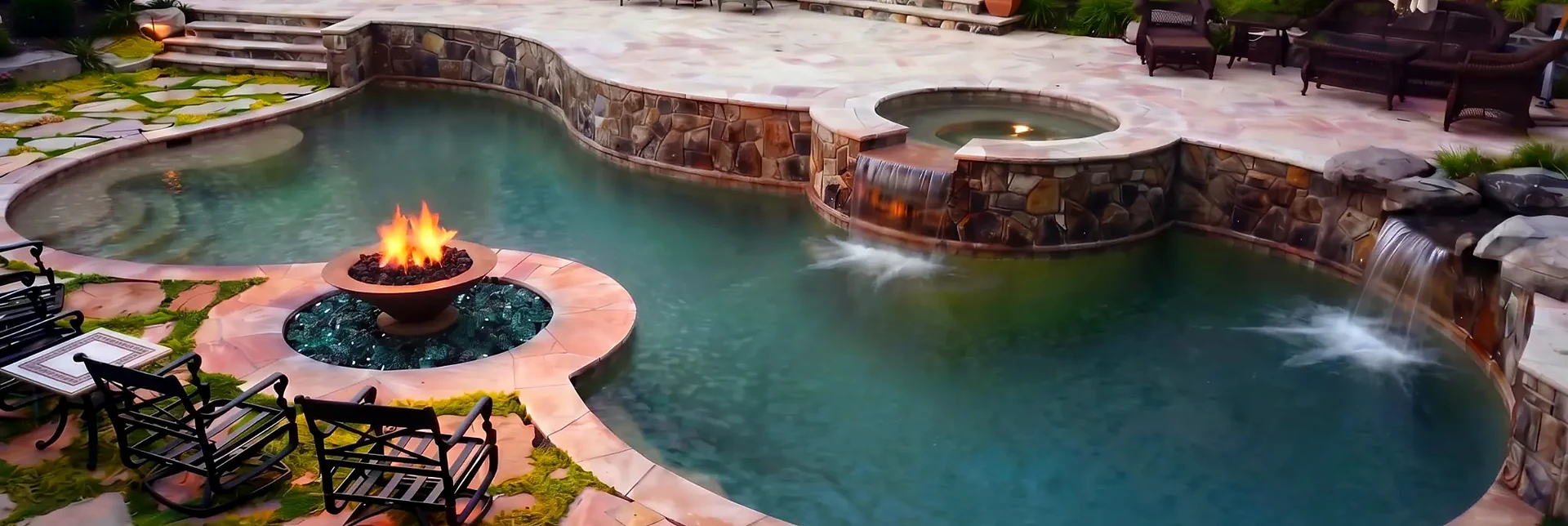
Demolishing and rebuilding an inground pool is a major home-improvement project that combines demolition, civil work, structural engineering, waterproofing, pool-system installation, landscaping, and often permitting. For homeowners in southeastern Pennsylvania and western New Jersey, local soil conditions, freeze-thaw cycles, and municipal permitting practices materially affect cost and schedule—making accurate budgeting more complicated than simply multiplying a per-square-foot price.
This article breaks down realistic cost ranges, line-item drivers, and scenario-based estimates for complete pool demolition and rebuilds. It explains when estimates commonly change after engineering, excavation, or unforeseen site conditions and provides region-specific guidance on the geological, seasonal, and permitting issues that most often change budgets in the Commonwealth of Pennsylvania and in New Jersey townships. The goal is to help homeowners evaluate contractor bids and choose the level of scope and risk they are willing to accept.
- Complete demolition and rebuild of a gunite (shotcrete) inground pool typically ranges from about $90,000 to $350,000+ depending on size, finish, structural complexity, and site conditions.
- Major cost drivers: demolition method, hazardous-materials disposal, dewatering, rock/excess excavation, structural rebar/shotcrete, finishes (plaster, pebble, tile), equipment package, safety/guarding, landscape restoration, and township permits/inspections.
- Pennsylvania-specific concerns: freeze-thaw cycles, clay soils, and township stormwater/drainage requirements can add significant foundation and drainage work; western New Jersey has similar issues with variable groundwater and marl/rock layers.
- Obtain engineering and exploratory excavation before accepting a final price—estimates commonly change after these steps by 10–40% depending on surprises like ledge rock or high groundwater.
- SPCP (Scott Payne Custom Pools) recommends a phased approach: site assessment and soils report, permitting, demolition with documented disposal, followed by civil and pool rebuild. Start your pool journey when ready.
For broader planning guidance, explore our Pool Costs resource center.
Overview of Typical Cost Components
Demolition and rebuild costs can be grouped into distinct categories. Treat each category as a decision point: cheaper options may reduce upfront cost but increase future maintenance or reduce longevity. Common cost categories include site evaluation & design, permitting, demolition & disposal, earthwork & drainage, structural pool shell, finishes & tile, pool systems & equipment, decking & hardscape, fencing and safety, landscaping restoration, and contingency/soft costs.
Understanding each line item clarifies which parts of a bid are negotiable and which reflect unavoidable site realities. Good bids separate costs clearly so homeowners can make trade-offs (for example, lower-cost plaster vs. higher-cost pebble finishes, or a lower-capacity equipment package vs. a higher-efficiency system designed to lower long-term operating costs).
Realistic Cost Ranges: Low, Mid, and High Scenarios
The following ranges are for complete demolition of an existing inground pool and construction of a new gunite pool with associated decks and basic landscaping. Regional factors in southeastern Pennsylvania and western New Jersey are included; these figures assume standard residential access and no major environmental remediation unless noted.
| Scenario | Typical Size | Estimated Cost Range (Total) | Notes |
|---|---|---|---|
| Low | Small pool (12'×24' or similar) | $90,000 – $140,000 | Simple plaster finish, basic equipment, minimal drainage upgrades, easy access, no bedrock, modest landscaping |
| Mid | Medium pool (16'×32') | $140,000 – $220,000 | Pebble finish, tile accents, upgraded equipment, moderate decking, possible dewatering and additional excavation in clay soils |
| High | Large/Complex (18'×36'+, spa, vanishing edge) | $220,000 – $350,000+ | Custom features (spa, water features, vanishing edges), extensive rock excavation or shoring, high-end finishes and automation, landscape regrading |
These ranges are illustrative. Specific bids often vary widely because demolition—especially where ledge, buried utilities, or contaminated soils are present—can add tens of thousands of dollars. Engineering-constrained designs (e.g., requiring deep footings or retaining walls) frequently push projects into the mid- or high-range categories.
Line-by-Line Cost Drivers and Explanations
This section explains typical line items you'll see on a demolition/rebuild proposal and why they matter.
Site Evaluation, Soils, and Structural Engineering
Preliminary costs for a geotechnical/investigative report and structural engineering are normally $1,500–$8,000 depending on the scope and whether test borings or pits are required. In Pennsylvania, freeze-thaw and expansive clays may require deeper structural considerations, frost footings, or enhanced backfill. Where there is suspected ledge or a high water table, contractors will frequently recommend borings so the structural engineer can size footings, design drainage, and specify reinforcing steel and shotcrete thickness.
These studies often change the project scope materially. For instance, a soils report that indicates high groundwater may require dewatering systems and heavier wall design, adding both direct costs and time to the schedule.
Permitting and Township Requirements
Permit fees themselves are often modest ($200–$2,000) but local requirements in southeastern Pennsylvania and western New Jersey can add substantial indirect costs. Many townships require engineered grading and stormwater management plans, silt fencing, erosion control bonds, and formal inspections. Some municipalities mandate pool barrier fencing, specific gate hardware, or safety alarms that must be incorporated into the plans and budgeted.
Allow at least 4–12 weeks for permit review in many townships. If your property is in a historical district, conservation area, or subject to homeowner association review, add additional time and potential design costs for compliance.
Demolition and Hazardous Material Disposal
Demolition methods and disposal costs depend on pool construction and site access. Standard structural concrete removal with mechanical breakers and a trucked dumpster typically runs $8,000–$25,000. For reinforced shotcrete or concrete pools with heavy rebar, the cost increases due to labor and disposal weight.
If the pool surround includes asbestos-containing materials, lead paint on pool houses, or contaminated fill, specialized abatement and hazardous waste disposal can escalate costs into the tens of thousands. Demolition bids should clarify how removed materials will be handled and show disposal weight or haul-off allowances to avoid later change orders.
Excavation, Rock, and Dewatering
Excavation pricing is driven by volume and difficulty of removal. In clay soils or silt, excavation is straightforward and less expensive; in parts of Pennsylvania and New Jersey with bedrock, schist, or hard marl, rock-breaking or blasting may be required. Rock excavation can add $10,000–$75,000+ depending on depth and extent. When groundwater is near the surface, contractors commonly need dewatering pumps and possibly a sump system; temporary dewatering runs from $2,000–$10,000 for typical jobs, while long-duration dewatering or filtration may cost more.
Access to the yard—narrow alleys, long distances from the street, or limited parking—also increases labor time and equipment mobilization, which shows up in the excavation line item.
Structural Pool Shell (Gunite/Shotcrete)
The structural shell is the core of the rebuild. Shotcrete/gunite pools for standard residential sizes commonly cost $40,000–$120,000 for the shell alone depending on complexity, rebar density, and thickness. Simple rectangular shells toward the low end; curved shapes, negative edges, and integrated spa shells increase both material and formwork labor.
Shotscrete contracting quality matters—higher rebar density and thicker shell sections improve long-term durability, particularly in freeze-thaw climates. The shell line should specify design thickness, rebar schedule, and curing procedures.
Plumbing, Electrical, and Equipment Package
Equipment and mechanical systems include pumps, filters, heaters or heat pump, automation, chemical systems (e.g., salt chlorinator or chlorine feeder), plumbing, and electrical. A basic energy-efficient equipment package with one variable-speed pump, single-speed booster pump (if spa), cartridge or DE filter, heater/heat pump, and automation typically ranges $15,000–$30,000. High-efficiency packages with dual pumps, VE pump for spa, large heat pump, integrated automation and remote control, LED lighting systems, and ozone or UV treatment push the equipment cost well beyond $30,000.
Electrical upgrades (service panel swaps) may be required and can add $2,000–$6,000 or more depending on distance and permitting. All electrical work must meet local code—contractors should include final inspection and permit fees in their pricing.
Finishes, Tile, and Coping
Pool interior finishes vary widely. White plaster (traditional cementitious) is least expensive but requires more frequent maintenance (acid washing or replastering every 8–15 years) and shows staining. Aggregate finishes (pebble, quartz) are more durable and attractive; expect $8,000–$25,000 extra depending on product. Tile work on the waterline and decorative tile accents are priced per linear foot and per square foot; expect $2,000–$12,000 depending on complexity and material (porcelain, glass mosaic, natural stone).
Coping (stone or precast concrete) is another line item—budget $8–$25 per linear foot for standard precast, and $30–$100+ per linear foot for natural stone or custom bullnose coping.
Decking, Paving, and Landscape Restoration
Decking options range from broom-finish concrete (least expensive) to stamped and colored concrete, pavers, natural stone, or custom wood decks. Broom-finish concrete starts around $8–$15 per square foot; stamped or exposed aggregate sits around $12–$25/sf; pavers and natural stone often begin at $25–$45/sf and up. Landscape restoration includes topsoil, planting, turf repair, and sometimes regrading for drainage. For a typical poolscape, budget $20,000–$60,000 depending on finish level and whether retaining walls or terraces are needed.
Safety, Fencing, and Codes
Pennsylvania and New Jersey require pool barriers; specific fence heights, self-latching gates, and sometimes pool alarms are mandated by township code. Basic code-compliant fencing runs $3,000–$10,000 depending on style and linear feet. Additional safety features—cover systems, electronic safety covers, or perimeter alarms—add to both cost and long-term safety management.
Soft Costs and Contingency
Soft costs include permits, utility locating, temporary fencing, erosion-control measures, and administrative overhead—often 5–10% of construction cost. Most experienced contractors recommend budgeting 10–20% contingency for unforeseen conditions discovered during demolition or excavation; in bedrock or high groundwater areas, contingency conservatively set at 25–40% may be appropriate.
When and Why Estimates Change After Engineering or Excavation
Initial estimates are based on visual inspections and historical data. Significant changes typically occur after geotechnical reports, engineered drawings, or actual excavation. Common reasons estimates increase:
- Discovery of ledge rock or buried concrete requiring rock-breaking or blasting.
- High groundwater requiring permanent sump systems, structural drains, or heavier shell design.
- Hidden utilities or undocumented septic fields that must be relocated.
- Soils with high shrink-swell potential requiring increased footing depth, engineered backfill, or geogrid stabilization.
- Neighboring retaining walls or grades that require additional shoring or retaining structures to maintain slope stability.
Conversely, estimates may decrease if exploratory excavation shows shallow soils with excellent drainage and no ledge, or if homeowners accept simpler finishes or equipment packages. Transparency in how contractors price unknowns (allowances, unit rates per cubic yard of rock removed, or staged contingency release) is critical to fair contracting.
Pennsylvania and Western New Jersey Specific Considerations
Location-specific variables materially affect both design choices and cost in southeastern Pennsylvania and western New Jersey. Homeowners should factor these into budget expectations and timelines.
Freeze-Thaw and Frost Depths
Southeastern Pennsylvania experiences freeze-thaw cycles and frost depths that mean frost footings and frost-protected design for pool equipment pads are often recommended. Frost heave can damage equipment pads and deck connections over time, so contractors may specify deeper or insulated footings and frost-protected soil treatments. These measures add upfront cost but reduce long-term settlement and maintenance expenses.
Soil Types: Clay, Marl, and Bedrock
Large portions of the region have clay-rich soils that retain moisture and expand when wet. Expansive clays require engineered backfill and compaction protocols to minimize settlement and differential movement. Parts of western New Jersey and certain Pennsylvania boroughs can have marl or shallow bedrock—removal of which is time-consuming and expensive. Costs for rock excavation are site-specific; homeowners should plan for this as a potential large add-on.
Groundwater and Seasonal Timing
Groundwater tables fluctuate with seasons; spring and early summer often have higher groundwater, and late summer/fall can be drier and easier for excavation. Scheduling demolition and excavation in the drier months can reduce dewatering needs and risk of schedule delays—something contractors should discuss when planning start dates. However, end-of-season construction can interfere with landscaping timelines and increase winterization needs for equipment if the project runs into the colder months.
Township Drainage and Stormwater Controls
Many townships in southeastern Pennsylvania and New Jersey require on-site stormwater management to prevent increased runoff. This may involve subsurface infiltration galleries, additional grading, or recharge basins. Incorporating effective drainage solutions during rebuild is prudent and sometimes required—budget $3,000–$20,000+ depending on the complexity of required systems.
Cost-Saving Options and Long-Term Value Decisions
There are choices that reduce initial cost but may increase lifecycle costs or reduce enjoyment. Conversely, some higher upfront investments pay back over time in lower operating costs and reduced maintenance.
- Finish selection: plaster is cheapest now but often more expensive in the long run due to more frequent replastering. Aggregate finishes cost more initially and often outlast plaster, reducing life-cycle costs.
- Equipment efficiency: variable-speed pumps and higher-efficiency heaters cost more up front but can reduce operating costs substantially.
- Simple decking vs. premium stone: premium materials raise resale appeal and durability but require higher capital.
- Phased construction: if budget is constrained, owners can phase decking or landscaping after pool shell completion, but temporary surfaces can increase rework costs.
SPCP recommends listing “must-have” and “nice-to-have” items during design so bids can present tiered packages and homeowners can make informed tradeoffs.
Example Detailed Cost Breakdown for a Mid-Range 16'×32' Gunite Pool
The table below shows an itemized mid-range example for a typical southeastern Pennsylvania property with average access and no major rock or contamination.
| Line Item | Estimated Cost | Notes |
|---|---|---|
| Site Evaluation & Soils Report | $2,000 – $5,000 | 1–2 borings recommended if groundwater/rock suspected |
| Permits & Township Fees | $800 – $3,000 | Varies by municipality; stormwater plans may add costs |
| Demolition & Haul-Off | $10,000 – $25,000 | Includes concrete removal and disposal; hazardous abatement extra |
| Excavation & Grading | $6,000 – $20,000 | Depends on soil type and depth |
| Dewatering (if needed) | $0 – $8,000 | Seasonal and groundwater dependent |
| Gunite Shell (Labor & Materials) | $45,000 – $80,000 | Includes rebar, shotcrete, basic forms |
| Plumbing & Electrical | $8,000 – $18,000 | Includes piping, suction/discharge lines, wiring |
| Equipment Package | $15,000 – $30,000 | Variable-speed pump, filter, heater/heat pump, automation |
| Interior Finish (pebble or similar) | $8,000 – $18,000 | Durable aggregate finish |
| Tile & Coping | $6,000 – $18,000 | Waterline tile and coping material |
| Decking (concrete / pavers) | $12,000 – $35,000 | Includes subgrade and finish |
| Fencing & Safety | $3,000 – $10,000 | Code-compliant fencing and gate hardware |
| Landscaping & Restoration | $6,000 – $20,000 | Topsoil, sod, plantings |
| Soft Costs & Contingency | $10,000 – $30,000 | Design fees, bonds, 10–15% contingency |
| Total Estimated Range | $140,000 – $310,000 | Typical mid-range budget for this size |
Timeline Expectations and Seasonal Considerations
Typical project durations vary by size and complexity. For a straightforward demolition and rebuild of a small-to-mid-sized pool, expect 10–20 weeks from demolition to finish, assuming permits and inspections proceed on schedule. Complex projects with engineered retaining walls, ledge removal, or elaborate finishes can take 5–9 months.
Seasonal timing matters in this region. Spring wetness can delay excavation and increase dewatering needs; winter halts concrete work once temperatures drop below safe curing ranges unless winter protection or heated enclosures are used (which increase cost). Scheduling a project to begin in late spring or early summer typically balances weather reliability and acceptable groundwater levels, but homeowners should coordinate closely with contractors to optimize start times and minimize exposure to heavy rain periods.
Contracting Best Practices and What to Require in Bids
Homeowners should insist on clear, itemized bids that separate allowances and unit pricing for unknowns. Useful protections include:
- Itemized line items for demolition, excavation by cubic yard, and rock removal by hour or cubic yard.
- Clear delineation of what is included in “site cleanup” and what is considered extra (hazardous materials, extra trucking, utility relocation).
- A written schedule with milestones (permit approval, demolition complete, shell complete, plaster/finish installation, final inspection).
- Manufacturer warranties and contractor workmanship warranties spelled out in the contract (duration and scope).
- Change-order procedures: how price and time impacts will be handled when unforeseen conditions are found.
SPCP recommends that homeowner contracts include an allowances table for items likely to vary (tile per linear foot, rock removal per cubic yard) and a clear contingency release procedure tied to demonstration of completed work.
Financing, Insurance, and Resale Considerations
Financing options include home-equity loans, construction loans, or personal lines of credit. Lenders will evaluate the scope and may require detailed bids and permits. Homeowner insurance should be informed about demolition and rebuild activities; some policies require notification for significant construction to ensure coverage for liability and off-site damages.
From a resale perspective, a quality gunite rebuild with durable finishes and thoughtfully integrated landscape hardscape typically retains value relative to the investment, especially in neighborhoods where pools are common amenities. However, buyers may factor maintenance history and operating costs (heating, filtration) into offers, and some buyers view pools as a liability—consult local Realtors familiar with your township to understand how a pool influences house value in your market.
Case Studies: Typical Outcomes
Example 1 — Suburban Chester County, PA: Homeowner replaced a 30-year-old plaster pool. Soils were clay with no bedrock. Demolition went smoothly and the project reused some existing deck subgrade. Final cost: $155,000. Key adders: upgraded equipment and aggregate finish.
Example 2 — Western New Jersey Hillside Property: Demolition revealed shallow ledge requiring rock breaking and additional retaining walls. Dewatering was needed for two weeks. Final cost: $295,000. Lessons: early borings would have indicated ledge and allowed a more accurate bid.
Example 3 — Borough lot with tight access (PA): Narrow side-yard access required smaller equipment and manual labor for parts of the work. Demolition took longer and the contractor charged more for labor and dumpster staging. Final cost: $185,000. Lesson: access constraints materially affect cost and schedule.
Each case underscores the value of early investigative work and clear contractual language regarding unknowns.
SPCP offers a structured process for homeowners: initial consultation and site review, geotechnical and engineered drawings if indicated, a tiered bid with allowances and contingencies, followed by phased construction. To learn more or to begin, consider taking the first step to start your pool journey.
Checklist for Homeowners Before Accepting a Final Bid
Use this checklist to evaluate contractor bids and reduce the chance of costly surprises:
- Has the contractor performed a site visit and documented access, grades, and visible utilities?
- Are borings or exploratory excavations included or recommended? If not included, has a unit price for rock or groundwater been provided?
- Is there an itemized demolition scope with disposal allowances and hazardous-material exclusions?
- Does the shell specification include rebar schedule, shotcrete thickness, and curing protocol?
- Are equipment brands and capacities specified? Is electrical service upgrade included or identified as homeowner responsibility?
- Is a realistic schedule included with permit milestones? Is there a winterization plan if work extends into colder months?
- Does the contract include warranty terms for workmanship and a description of manufacturer warranties?
Keep Reading — Build Your Knowledge
- POOL COST IN MALVERN, PA — WHAT TO BUDGET IN 2026
- POOL COST IN DOYLESTOWN, PA — WHAT TO BUDGET IN 2026
- POOL COST IN CHARLESTOWN, PA — WHAT TO BUDGET IN 2026
- POOL COST IN EASTTOWN, PA — WHAT TO BUDGET IN 2026
- Pool Cost Mercer County NJ in 2026: Real Gunite Pricing and Permits
- Browse All Pool Costs Articles →
Summary and Final Guidance
Demolishing and rebuilding an inground pool is a complex project with many variable costs. For southeastern Pennsylvania and western New Jersey homeowners, soil composition, groundwater, freeze-thaw cycles, township drainage requirements, and site access are the most common factors that change bids. A well-documented bid with phased allowances, contingencies, and an early geotechnical investigation reduces surprises and improves predictability.
When evaluating proposals, focus on clarity: clearly defined shell specifications, equipment lists, demolition details, and a transparent approach to unknowns. SPCP recommends an early investment in investigation and engineering to limit downstream surprises and to produce a reliable fixed-price construction contract where possible. If you are ready to explore options and receive a site-specific consultation, please start your pool journey.